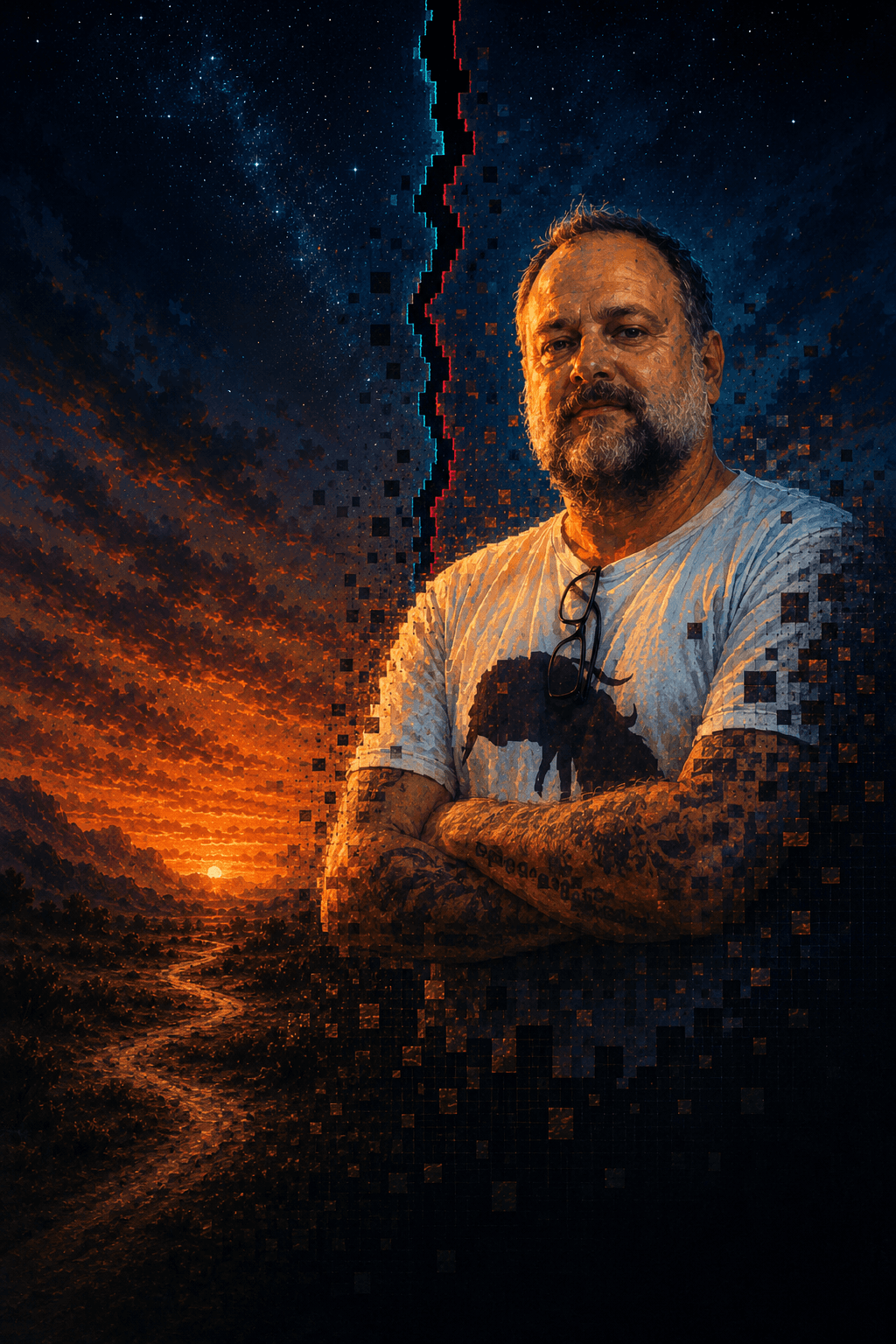
I started in 1987: a bachelor's degree in Mechanical Engineering at UFRJ, a master's at COPPE, and from the very first year I was already programming — Pascal, Basic, C. I lived for 3 years in Sunnyvale and worked as a software engineer at QualiTau Inc., a semiconductor test company in the heart of Silicon Valley. Then, almost thirty years inside technology in Brazil: Oracle, Brainox, the CTO chair — systems too large to fit in a single head, and the persistent feeling that a question was missing there. The question was about the subject.
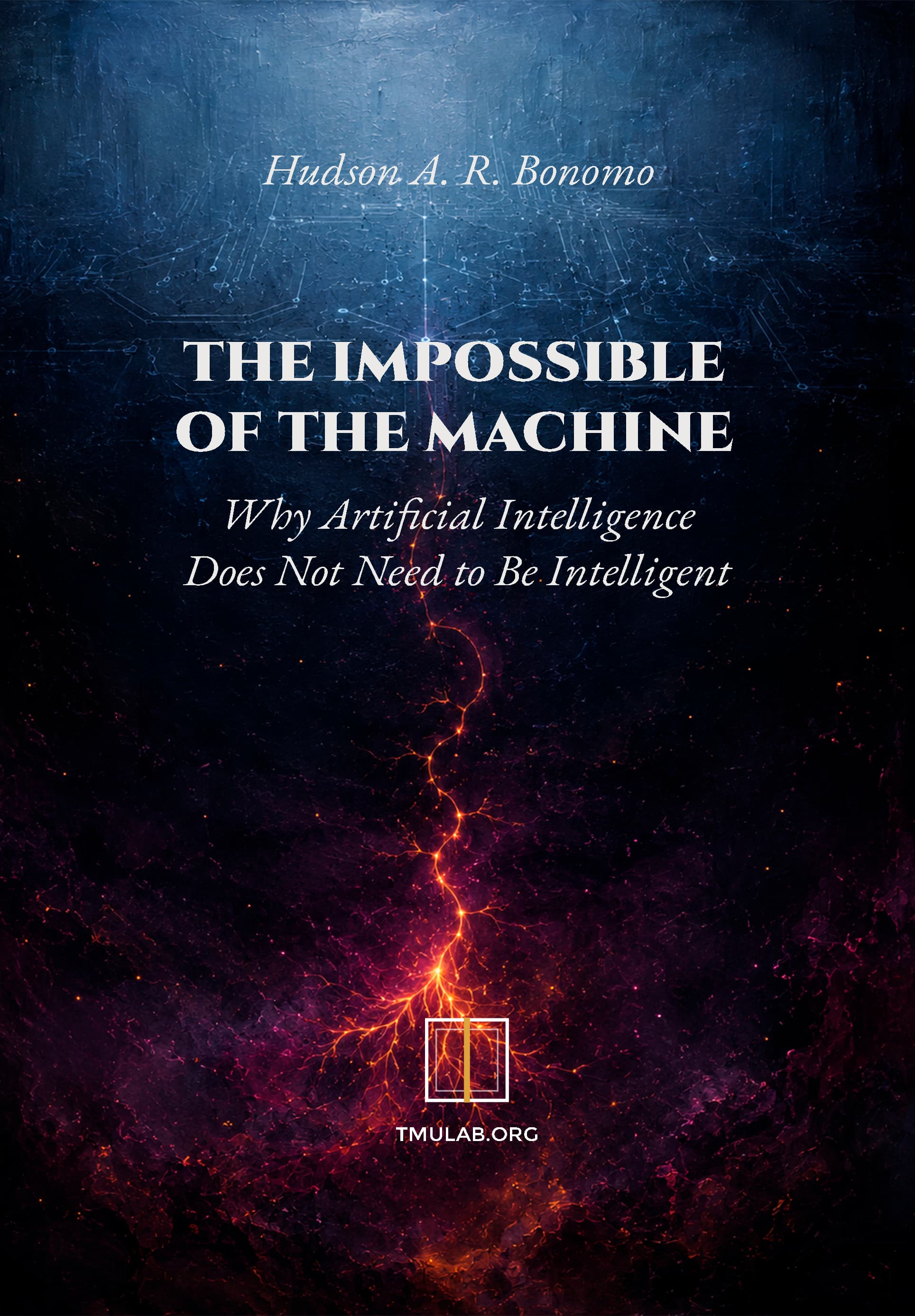
The question about the subject became research before the doctorate: in 2019 I published Psicanálise em Tempos de Tecnocultura, the first book of that crossing. In 2024, the PhD in Psychoanalysis, Health and Society at UVA — with the thesis "Uma ética do Real: identificações hiperdinâmicas em um não-lugar" (An ethics of the Real: hyperdynamic identifications in a non-place), supervised by Prof. Dr. Auterives Maciel Junior — formalized what was already in motion. From that crossing came the concepts that organize my work: the Impossible of the Machine, Pulsional AI, the Analyst of the Machine. This triad anchors the book O Impossível da Máquina (forthcoming, 2026) and the research program I lead at TMU-LAB, where I ask what happens when the machine meets the unconscious.
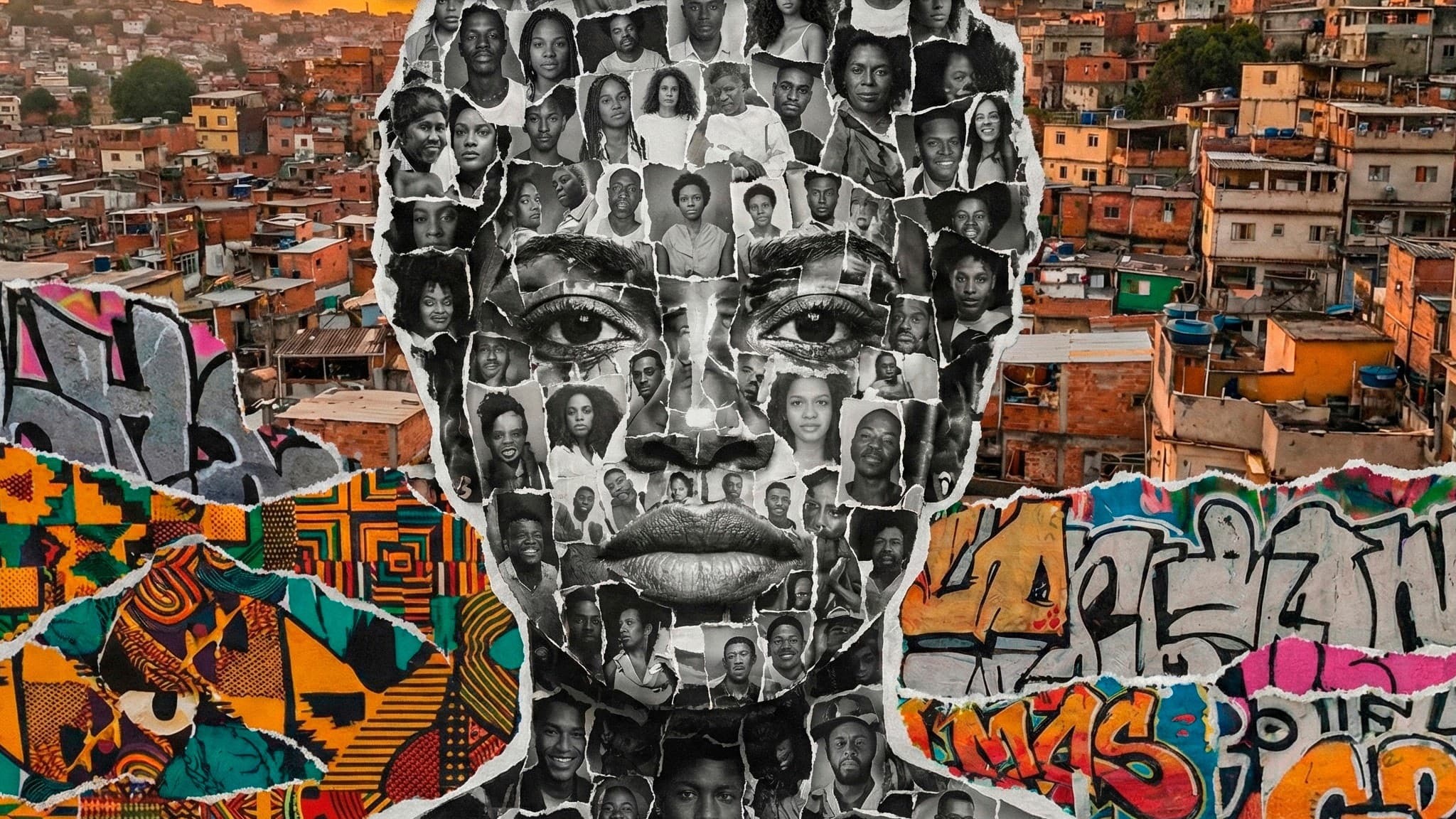
I think in public. The articles appear in Tempo Psicanalítico — the journal where I serve as managing editor — and in Estudos da Língua(gem); the daily thinking, in the Confiar Melhor newsletter. And what research asks, the movement practices: I co-founded EPEP — Brazil's first free psychoanalytic school with more than 51% Black, brown and Indigenous members — and coordinate CPAPEC and CEPCOP/USU, which provides more than 6,000 free sessions a year.
And there is still what escapes all of this: I write song lyrics at PeriphArt. It is perhaps where the axes finally meet — technique, listening and the periphery becoming song.